
Not Sure How to Choose the Right Scrubs? Here’s What Matters.
When you spend most of your shift in scrubs, comfort stops being a small detail. Nurses can spend eight, ten or twelve hours walking between rooms, bending at the bedside, helping with transfers, writing notes, carrying equipment and moving between completely different tasks. A pair of scrubs might feel perfectly fine when you first put them on, but the real test is how they feel several hours into a busy shift. Fabric, fit, movement and pocket placement all start to matter in ways that are difficult to notice from a product photo alone.
There is also no single “best” pair of nursing scrubs for everyone. Some nurses love the softness and breathability of cotton, while others prefer stretchier fabrics that dry quickly and require less ironing. Some want a relaxed fit with plenty of room to move, while others feel better in something slightly more tailored. Your workplace, the type of nursing you do and even what you usually carry in your pockets can all change what works best for you. So rather than looking for one perfect scrub, it makes more sense to understand which details actually make a difference during a real shift.

Start With the Fabric
Fabric is probably one of the biggest differences you will notice between scrubs, particularly during a long or physically demanding shift. Cotton is naturally soft and breathable, which is one reason many nurses enjoy wearing it. It can feel particularly comfortable against the skin and is a lovely option if you prefer a more natural fabric. The trade off is that pure cotton generally wrinkles more easily than synthetic fabrics and may take longer to dry.
Polyester blends offer a different experience. Depending on the blend, they can feel smoother and stretchier, dry more quickly and hold their shape with less creasing. Adding elastane or spandex can also give the fabric more flexibility, which can be useful when you are bending, reaching or moving constantly throughout the day. Neither option is automatically better. A nurse who prioritises the softness and breathability of cotton may choose very differently from someone who wants something stretchy, quick drying and easy to care for.
Fabric weight matters too. Very thin fabric can feel light and cool, but it may also feel less substantial or become more transparent in lighter colours. On the other hand, fabric that is too heavy can become uncomfortable during an active shift. A good nursing scrub needs to find a balance between coverage, breathability and durability rather than simply being as lightweight as possible.

Fit Should Work When You Move, Not Just When You Stand Still
A scrub can look perfect in front of a mirror and still be uncomfortable at work. The best way to think about fit is to consider what happens when you actually start moving. Can you reach above your head without the top pulling excessively? Can you bend or squat comfortably? Does the waistband stay in place? Is there enough room through the shoulders, hips and thighs for the movements you make during a normal shift?
A good nursing fit does not necessarily mean oversized, nor does it need to be tightly tailored. Ideally, it gives the body enough space to move naturally while still maintaining a clean, professional silhouette. This is especially important around the shoulders and underarms of scrub tops and through the hips and thighs of scrub pants. A neckline also needs some thought. It should provide appropriate coverage while still being comfortable and easy enough to get on and off.
Sizing can vary considerably between brands and even between different collections from the same brand, so it is worth checking the individual size chart rather than relying entirely on the size you normally wear. If measurements fall between two sizes, think about how you personally like your scrubs to fit and how much movement your role involves.
Never Underestimate Good Pockets
Pockets are one of those details that sound unimportant until you work a shift in scrubs that do not have enough of them. Nurses have a remarkable ability to accumulate pens, notes, phones, ID cards and other small essentials throughout the day, so pocket design should be about more than simply adding as many pockets as possible.
Placement is just as important as quantity. A chest pocket can be useful for something you need to reach quickly, while deeper waist or cargo pockets give you somewhere more secure for larger items. Small divisions or pen slots can stop everything from collecting at the bottom of one oversized pocket, and loops can provide an accessible place for an ID or access card. The aim is to keep everyday essentials within reach without making the uniform feel bulky or allowing loaded pockets to interfere with movement.
It is worth thinking about what you personally carry during a normal shift before buying. Someone working in a ward may have different needs from someone in a clinic, theatre or community setting. The most useful pocket layout is the one that fits the way you actually work.
 Think About the Entire Shift, Including Laundry Day
Scrubs are washed far more frequently than most of the clothes in our wardrobes, so how they perform after repeated washing matters almost as much as how they feel when they are new. Before buying, check the care instructions and consider whether they realistically fit into your routine. If you do not want to iron work clothes, a fabric that naturally resists creasing or releases wrinkles easily may make more sense. If you regularly wash and wear your uniforms within a short turnaround, drying time may also be important.
Cotton and synthetic fabrics behave differently over time, which is another reason there is no universally perfect choice. Cotton may soften beautifully with wear but usually requires a little more attention to washing and drying. Polyester rich fabrics tend to hold their shape and dry faster, although the feel is different from natural fibres. Whatever you choose, following the garment's care instructions is one of the simplest ways to help maintain its shape, colour and overall condition.
It is also worth owning enough sets that you are not constantly relying on the same one or two uniforms. Rotating your scrubs gives each set time between washes and means you are less likely to find yourself doing emergency laundry before an early shift.
Comfort Does Not Have to Mean Boring
Practicality comes first in healthcare clothing, but that does not mean every comfortable scrub has to look the same. Nursing uniforms have changed enormously over the years, and many workplaces now allow nurses more freedom in colour, silhouette and prints, although individual hospital and facility policies should always be checked first.
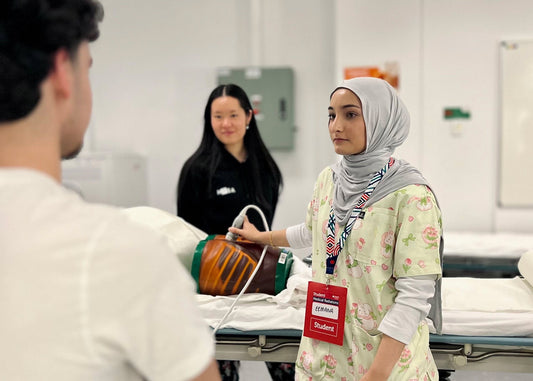
For nurses who are allowed to wear printed scrubs, colour and pattern can be a simple way to bring some personality into a uniform. Some people feel most comfortable in a classic solid colour, while others enjoy florals, animals or playful illustrations. Printed tops can also be paired with simple solid pants if you want something expressive without making the whole outfit feel busy.
What matters is that the design still works as clinical clothing. A beautiful print cannot compensate for uncomfortable fabric, restrictive movement or pockets that are too shallow to use. The best nursing scrubs bring the two sides together: something you enjoy wearing and something you do not have to think about once your shift becomes busy.

What We Think About When Designing Miss Li Scrubs
Miss Li Scrubs was created from a nurse's perspective, so a lot of our design decisions begin with very ordinary moments from a real shift. Where do you naturally reach when you need a pen? What happens to the top when you bend down? Is the neckline comfortable to pull over your head? Can you fit the things you actually carry into your pockets? And after several hours of moving around, does the uniform still feel comfortable?
That is why we think about the practical details alongside the prints. Our scrub tops include a chest pocket with a dedicated pen slot, as well as two deep waist pockets for the things you reach for throughout the day. Additional details such as an ID or access card loop and extra pen storage are incorporated into the pocket design. Our scrub pants include practical hip pockets and a deep thigh cargo pocket with its own pen slot, giving you more options for organising what you carry without relying on one overloaded pocket.
We also use different fabrics across our collections because nurses do not all want the same thing from their scrubs. Some Miss Li designs are made from cotton for nurses who love a soft, breathable feel, while other collections use stretchier, easy care fabrics for those who prefer flexibility, quicker drying and less creasing. Rather than pretending that one fabric is perfect for everyone, we want nurses to be able to choose based on what feels best for their own shifts.
And then, of course, there are the prints. We like cute scrubs, but we do not think “cute” should be the entire design brief. A scrub still needs to work when you are bending, lifting, walking between patients and carrying the little things you somehow collect throughout the day. The print is the part that makes it feel like you. The rest is there to help you get through the shift.
So, What Should You Look for in Your Next Pair of Scrubs?
Before buying your next set, think less about which scrubs are being called “the best” and more about what you personally need from them. Consider the fabric against your skin, how much stretch you prefer, whether the fit gives you enough room to move, where the pockets sit and how much care the garment will need between shifts. Check your workplace uniform requirements and use the brand's actual size chart rather than assuming your usual size will always translate perfectly.
Most importantly, think about how the scrubs will feel at hour eight, not just minute eight.
A good nursing uniform should allow you to get on with your work without constantly adjusting, pulling or thinking about what you are wearing. If it can do that while also giving you a little colour or personality to take into your shift, even better.
FAQ
What fabric is best for nursing scrubs?
There is no single best fabric. Cotton is popular for its softness and breathability, while polyester blends can offer more stretch, faster drying and easier care. The best option depends on what you prioritise during your shifts.
Should nursing scrubs be tight or loose?
Neither extreme is ideal. Scrubs should provide enough room through the shoulders, hips and thighs for bending, reaching and squatting without feeling excessively loose or restrictive.
How many pockets should nursing scrubs have?
The layout matters more than the number. Look for a combination of easily accessible and deeper storage pockets, plus useful details such as pen slots or an ID loop if these suit what you carry at work.
Are printed scrubs appropriate for nurses in Australia?
This depends on your employer and clinical setting. Some Australian healthcare workplaces allow colourful or printed scrubs, while others have specific uniform or colour requirements. Always check your facility's policy.
How many pairs of scrubs do I need?
This depends on how frequently you work and do laundry, but having enough sets to rotate through your roster can make uniform care much easier and reduce how frequently each individual set is washed.
Previous
Ban Fun Scrubs? Maybe We’re Asking the Wrong Question.
Next
Miss Li Scrubs × MLOP Tapang: Care from Melbourne to Cambodia